Innovation doesn't require over-complicated architectures; it requires absolute reliability where it matters most. Our R&D team focused entirely on creating a low-overhead custom circuit framework optimized to trigger immediate responses under severe real-world thermal threats.
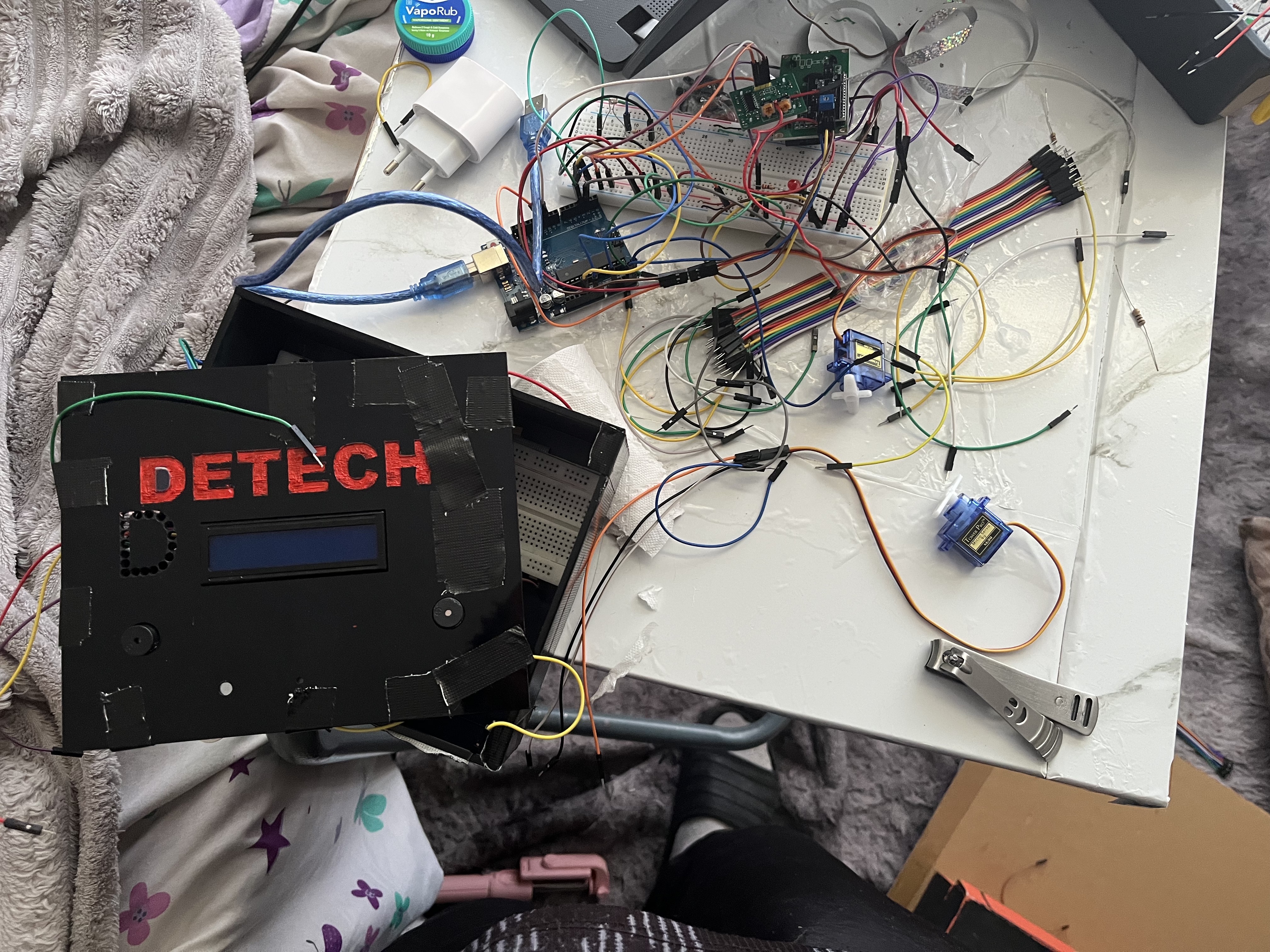
Custom PCB
Engineering
By scaling back unnecessary component draw, our custom board arrangements achieve prolonged standby cycles on highly limited battery backups. We prioritized offline computing clusters to manage immediate threshold diagnostics right on the device shell, mitigating any risks tied to localized data drops.
Off-Grid Solar
Integration
To make continuous safety practical, the sensor framework integrates miniature weather-resilient solar cell captures. This ensures the unit self-sustains its alert capacities indefinitely without shifting maintenance costs or battery replacement burdens onto vulnerable households.
Monocrystalline solar cells with 22% efficiency rating
LiFePO4 battery with 2000+ cycle lifespan
IP67-rated weatherproof enclosure
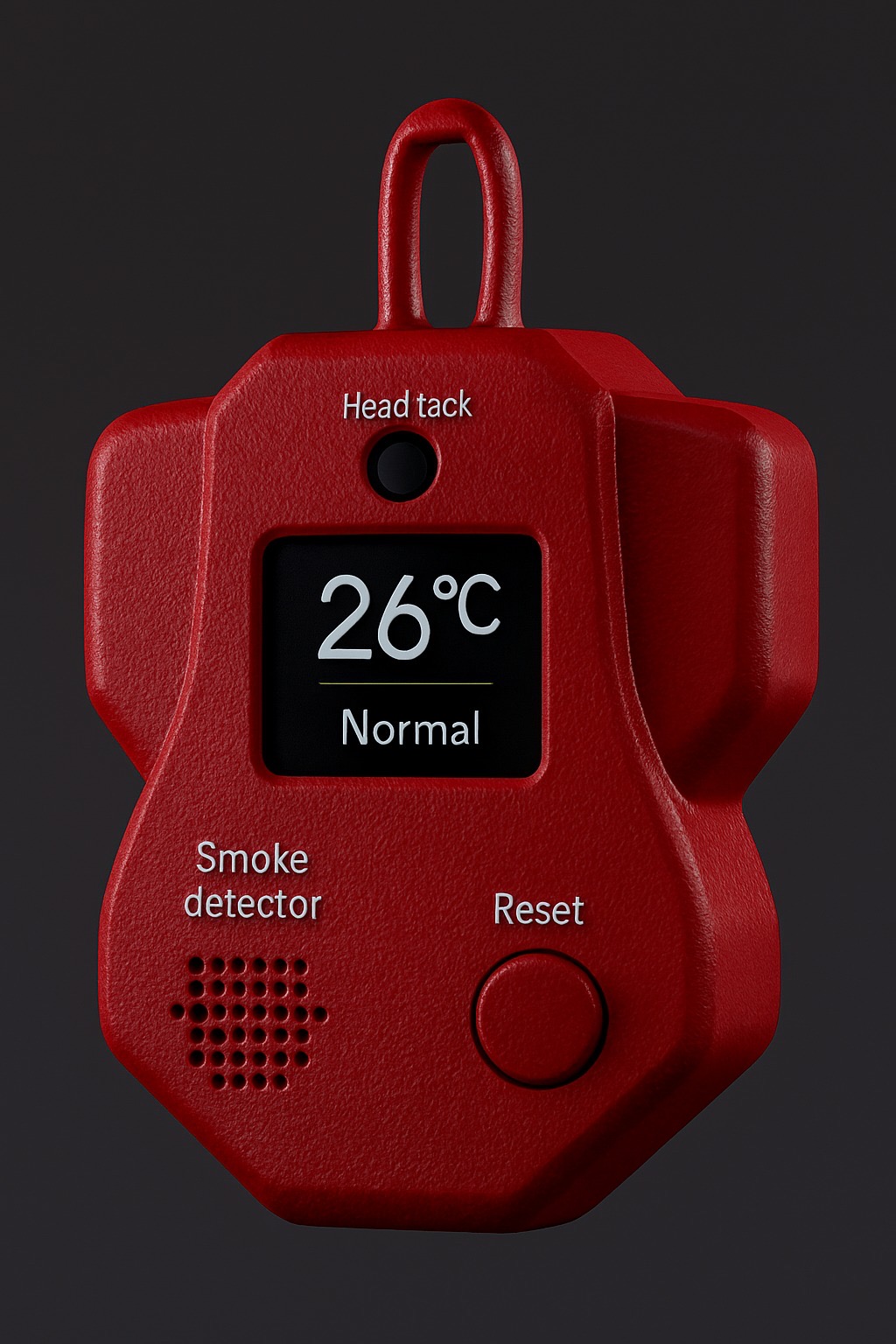
Fire-Link Lite
Processing
ARM M4
64MHz, 256KB Flash, 64KB SRAM
Power
<50mW
Standby draw, solar + LiFePO4 backup
Durability
IP67
Weatherproof, -20°C to 60°C range
Build Phases
Prototype Validation
Initial PCB design, thermal sensor calibration, and firmware baseline testing in controlled environments.
Solar Integration
Power management optimization, solar cell integration, and extended field endurance testing across variable weather conditions.
Community Deployment
Pilot installation in 3 target townships, real-world feedback collection, and iterative hardware refinements.